
Around the gl obe, people meet to practice music and dance. In many instances, this music -dance practice is not the one they grew up with, but one they encountered at a later stage of their lives. Such encountered music-dance practices mig ht be translocal, meaning they are not bound to one particular place, but p racticed in many places that are mutually connected, crossing regional and national boundaries.
In this presentation, I will focus on two such translocal music-dance practices: Irish tradition al (trad) music, and tango argentino. I will particularly focus on the soci al spaces in which these translocal music-dance forms are practiced.
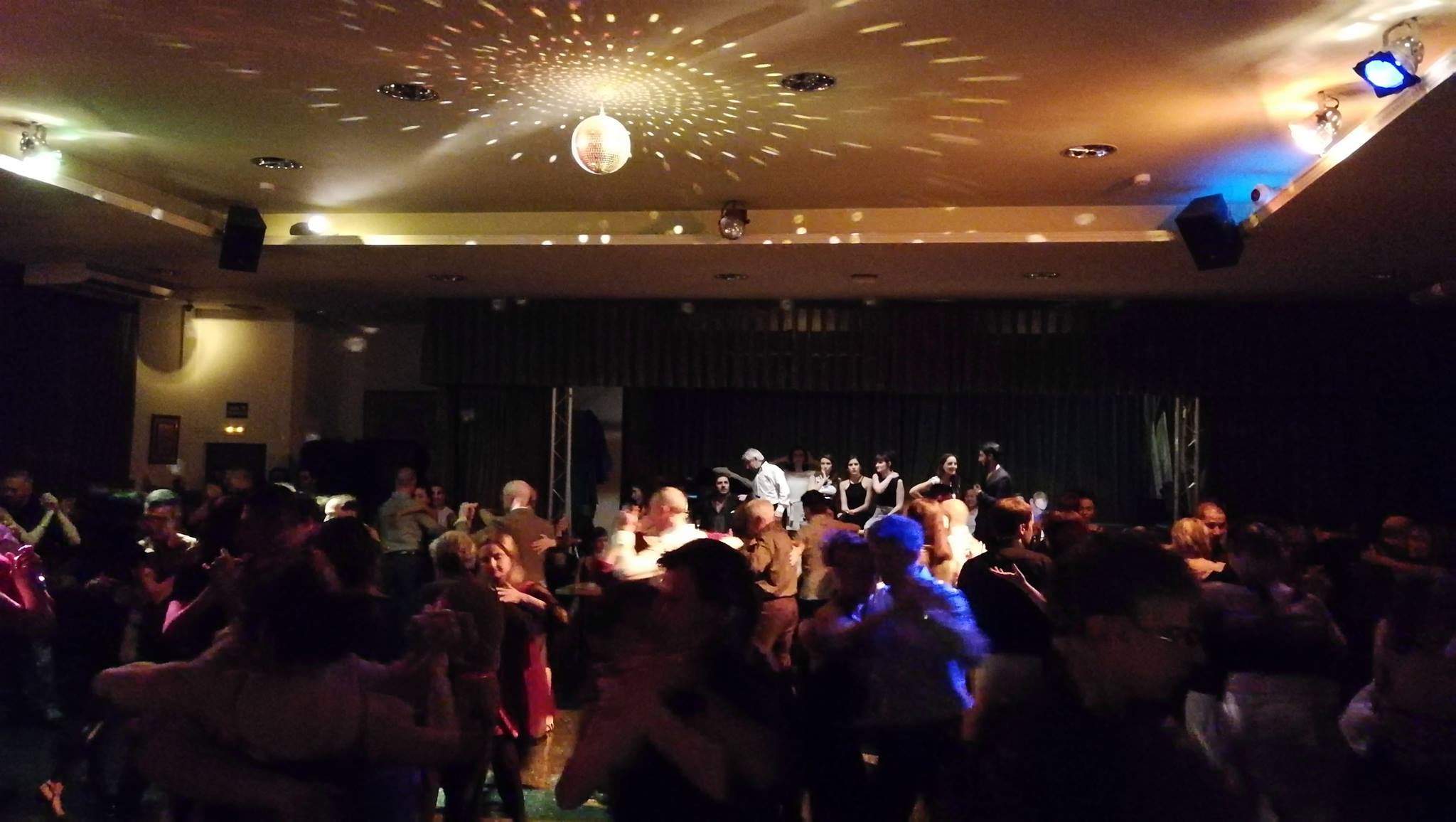
While discussing issues of translocality with my colleague Felix Morgenstern it occurred to us, that even though regular gatherings of translocal Irish trad musicians (sessions ), and regular gatherings of tango dancers (milongas) are based on very dif ferent practices, the way musicians and dancers create their respective pra ctice space is amazingly similar. This includes how the space is constructe d physically, and also how it mirrors both the practice, and social hierarc hies within the formation. Based on these discussions between Felix (an exp ert Irish trad musician) and myself (a longtime tango dancer), I will prese nt basic issues of space construction, use, and representation in a session and in a milonga.
* Kendra Stepputat is Assistant Profes
sor and Head of the Institute for Ethnomusicology, University of Music and
Performing Arts Graz,
Austria. She is currently Chair of the ICTM Stud
y Group on Sound, Movement, and the Sciences. Her research topics include B
alinese
performing arts, in particular kecak, and tango argentino in E
uropean perspective. The focus in her research is on choreomusical aspects
of
performing arts. She is editor of Performing Arts in Postmodern
Bali (2013), co-editor of Sounding the Dance, Moving the Music (2016, with
Mohd Anis Md Nor), Choreomusicology (WOM speci
al issues 2020/1,2, with Elina Seye) and Perspectives in Motion (2
021, with Brian Diettrich), and author of The Kecak and Cultural Touris
m on Bali (2021).
 With Kendra Stepputat *
Around the globe, people meet to practice music and dance. In ma ny instances, this music-dance practice is not the one they grew up with, b ut one they encountered at a later stage of their lives. Such encountered m usic-dance practices might be translocal, meaning they are not bound to one particular place, but practiced in many places that are mutually connected , crossing regional and national boundaries.
In this presentation, I will focus on two such translocal music-dance pr actices: Irish traditional (trad) music, and tango argentino. I will partic ularly focus on the social spaces in which these translocal music-dance for ms are practiced.
Wh ile discussing issues of translocality with my colleague Felix Morgenstern it occurred to us, that even though regular gatherings of translocal Irish trad musicians (sessions), and regular gatherings of tango dancers (milonga s) are based on very different practices, the way musicians and dancers cre ate their respective practice space is amazingly similar. This includes how the space is constructed physically, and also how it mirrors both the prac tice, and social hierarchies within the formation. Based on these discussio ns between Felix (an expert Irish trad musician) and myself (a longtime tan go dancer), I will present basic issues of space construction, use, and rep resentation in a session and in a milonga.
* Kendra Stepputat
is Assistant Professor and Head of the Institute for Ethnomusicology,
University of Music and Performing Arts Graz,
Austria. She is currentl
y Chair of the ICTM Study Group on Sound, Movement, and the Sciences. Her r
esearch topics include Balinese
performing arts, in particular kecak,
and tango argentino in European perspective. The focus in her research is o
n choreomusical aspects of
performing arts. She is editor of Perfo
rming Arts in Postmodern Bali (2013), co-editor of Sounding the Da
nce, Moving the Music (2016, with
Mohd Anis Md Nor), Choreomu
sicology (WOM special issues 2020/1,2, with Elina Seye) and Perspe
ctives in Motion (2021, with Brian Diettrich), and author of The K
ecak and Cultural Tourism on Bali (2021).