BEGIN:VCALENDAR
VERSION:2.0
PRODID:-//jEvents 2.0 for Joomla//EN
CALSCALE:GREGORIAN
METHOD:PUBLISH
BEGIN:VTIMEZONE
TZID:Europe/Paris
BEGIN:STANDARD
DTSTART:20220129T100000
RDATE:20220327T030000
TZOFFSETFROM:+0200
TZOFFSETTO:+0100
TZNAME:Europe/Paris CET
END:STANDARD
BEGIN:STANDARD
DTSTART:20221030T020000
RDATE:20230326T030000
TZOFFSETFROM:+0200
TZOFFSETTO:+0100
TZNAME:Europe/Paris CET
END:STANDARD
BEGIN:STANDARD
DTSTART:20231029T020000
RDATE:20240331T030000
TZOFFSETFROM:+0200
TZOFFSETTO:+0100
TZNAME:Europe/Paris CET
END:STANDARD
BEGIN:STANDARD
DTSTART:20241027T020000
RDATE:20250330T030000
TZOFFSETFROM:+0200
TZOFFSETTO:+0100
TZNAME:Europe/Paris CET
END:STANDARD
BEGIN:STANDARD
DTSTART:20251026T020000
RDATE:20260329T030000
TZOFFSETFROM:+0200
TZOFFSETTO:+0100
TZNAME:Europe/Paris CET
END:STANDARD
BEGIN:STANDARD
DTSTART:20261025T020000
RDATE:20270328T030000
TZOFFSETFROM:+0200
TZOFFSETTO:+0100
TZNAME:Europe/Paris CET
END:STANDARD
BEGIN:STANDARD
DTSTART:20271031T020000
RDATE:20280326T030000
TZOFFSETFROM:+0200
TZOFFSETTO:+0100
TZNAME:Europe/Paris CET
END:STANDARD
BEGIN:DAYLIGHT
DTSTART:20220327T030000
RDATE:20221030T020000
TZOFFSETFROM:+0100
TZOFFSETTO:+0200
TZNAME:Europe/Paris CEST
END:DAYLIGHT
BEGIN:DAYLIGHT
DTSTART:20230326T030000
RDATE:20231029T020000
TZOFFSETFROM:+0100
TZOFFSETTO:+0200
TZNAME:Europe/Paris CEST
END:DAYLIGHT
BEGIN:DAYLIGHT
DTSTART:20240331T030000
RDATE:20241027T020000
TZOFFSETFROM:+0100
TZOFFSETTO:+0200
TZNAME:Europe/Paris CEST
END:DAYLIGHT
BEGIN:DAYLIGHT
DTSTART:20250330T030000
RDATE:20251026T020000
TZOFFSETFROM:+0100
TZOFFSETTO:+0200
TZNAME:Europe/Paris CEST
END:DAYLIGHT
BEGIN:DAYLIGHT
DTSTART:20260329T030000
RDATE:20261025T020000
TZOFFSETFROM:+0100
TZOFFSETTO:+0200
TZNAME:Europe/Paris CEST
END:DAYLIGHT
BEGIN:DAYLIGHT
DTSTART:20270328T030000
RDATE:20271031T020000
TZOFFSETFROM:+0100
TZOFFSETTO:+0200
TZNAME:Europe/Paris CEST
END:DAYLIGHT
END:VTIMEZONE
BEGIN:VEVENT
UID:155c2c74da934b0a335076979a3cbca6
CATEGORIES:Séminaire du CREM, CREM
CREATED:20220711T111844
SUMMARY:The construction of space for translocal music-dance practice gatherings
LOCATION:Lesc – salle 308F (3e étage) - 21\, allée de l’Université\, Nanterre\, \, 9
2000\, France
DESCRIPTION:With Kendra Stepputat *\nAround the globe, people meet to practice music an
d dance. In many instances, this music-dance practice is not the one they g
rew up with, but one they encountered at a later stage of their lives. Such
encountered music-dance practices might be translocal, meaning they are no
t bound to one particular place, but practiced in many places that are mutu
ally connected, crossing regional and national boundaries. \nIn this presen
tation, I will focus on two such translocal music-dance practices: Irish tr
aditional (trad) music, and tango argentino. I will particularly focus on t
he social spaces in which these translocal music-dance forms are practiced.
\nWhile discussing issues of translocality with my colleague Felix Morgens
tern it occurred to us, that even though regular gatherings of translocal I
rish trad musicians (sessions), and regular gatherings of tango dancers (mi
longas) are based on very different practices, the way musicians and dancer
s create their respective practice space is amazingly similar. This include
s how the space is constructed physically, and also how it mirrors both the
practice, and social hierarchies within the formation. Based on these disc
ussions between Felix (an expert Irish trad musician) and myself (a longtim
e tango dancer), I will present basic issues of space construction, use, an
d representation in a session and in a milonga.\n* Kendra Stepputat is Assi
stant Professor and Head of the Institute for Ethnomusicology, University o
f Music and Performing Arts Graz,\nAustria. She is currently Chair of the I
CTM Study Group on Sound, Movement, and the Sciences. Her research topics i
nclude Balinese\nperforming arts, in particular kecak, and tango argentino
in European perspective. The focus in her research is on choreomusical aspe
cts of\nperforming arts. She is editor of Performing Arts in Postmodern Bal
i (2013), co-editor of Sounding the Dance, Moving the Music (2016, with\nMo
hd Anis Md Nor), Choreomusicology (WOM special issues 2020/1,2, with Elina
Seye) and Perspectives in Motion (2021, with Brian Diettrich), and author o
f The Kecak and Cultural Tourism on Bali (2021).\n
X-ALT-DESC;FMTTYPE=text/html: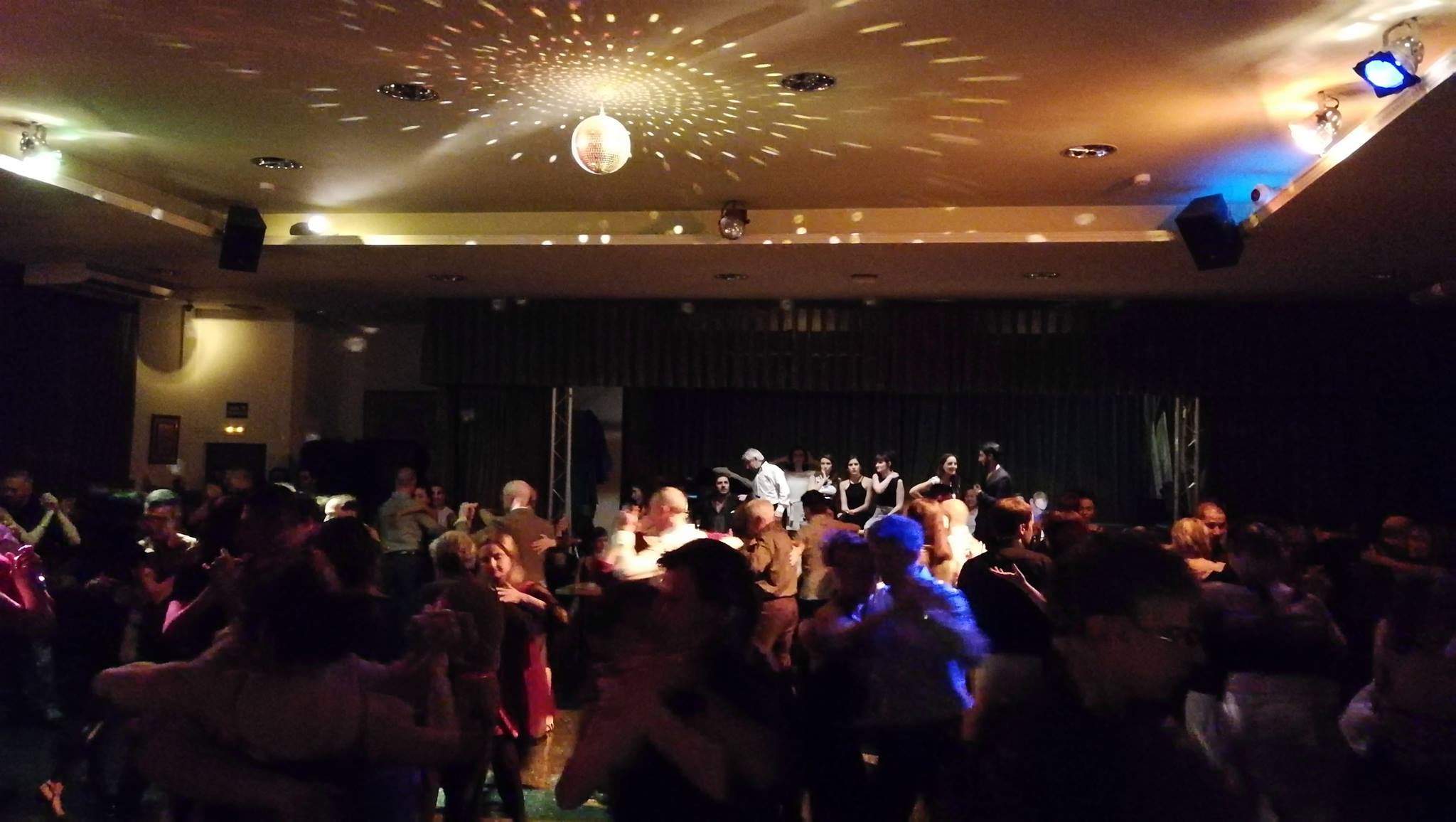 With Kendra Stepputat *
Around the globe, people meet to practice music and dance. In ma
ny instances, this music-dance practice is not the one they grew up with, b
ut one they encountered at a later stage of their lives. Such encountered m
usic-dance practices might be translocal, meaning they are not bound to one
particular place, but practiced in many places that are mutually connected
, crossing regional and national boundaries.
In this presentation, I will focus on two such translocal music-dance pr
actices: Irish traditional (trad) music, and tango argentino. I will partic
ularly focus on the social spaces in which these translocal music-dance for
ms are practiced.
Wh
ile discussing issues of translocality with my colleague Felix Morgenstern
it occurred to us, that even though regular gatherings of translocal Irish
trad musicians (sessions), and regular gatherings of tango dancers (milonga
s) are based on very different practices, the way musicians and dancers cre
ate their respective practice space is amazingly similar. This includes how
the space is constructed physically, and also how it mirrors both the prac
tice, and social hierarchies within the formation. Based on these discussio
ns between Felix (an expert Irish trad musician) and myself (a longtime tan
go dancer), I will present basic issues of space construction, use, and rep
resentation in a session and in a milonga.
* Kendra Stepputat
is Assistant Professor and Head of the Institute for Ethnomusicology,
University of Music and Performing Arts Graz,
Austria. She is currentl
y Chair of the ICTM Study Group on Sound, Movement, and the Sciences. Her r
esearch topics include Balinese
performing arts, in particular kecak,
and tango argentino in European perspective. The focus in her research is o
n choreomusical aspects of
performing arts. She is editor of Perfo
rming Arts in Postmodern Bali (2013), co-editor of Sounding the Da
nce, Moving the Music (2016, with
Mohd Anis Md Nor), Choreomu
sicology (WOM special issues 2020/1,2, with Elina Seye) and Perspe
ctives in Motion (2021, with Brian Diettrich), and author of The K
ecak and Cultural Tourism on Bali (2021).
DTSTAMP:20261027T125244
DTSTART;TZID=Europe/Paris:20230130T100000
DTEND;TZID=Europe/Paris:20230130T120000
SEQUENCE:0
TRANSP:OPAQUE
END:VEVENT
END:VCALENDAR